
Interventional Radiology
Guided Imaging Enhances Diagnostic Accuracy
About Interventional Radiology
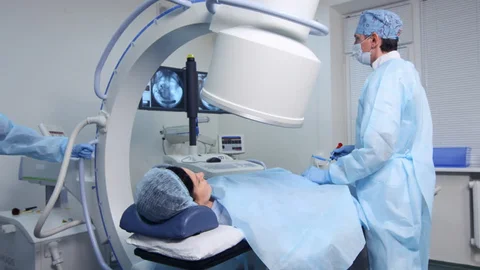
Image-Guided Biopsy at Xpert Clinic
Minimally Invasive Image-Guided Biopsy
At Xpert Clinic, Ultrasound and CT-guided FNAC (Fine Needle Aspiration Cytology), biopsies, and drainage procedures are performed routinely. We are a referral center for complex CT-guided biopsies of the chest, spine, and abdomen.
Image-guided biopsy utilizes advanced imaging technology to create detailed visuals of the body. It is a minimally invasive procedure, usually performed on an outpatient basis.
Most patients can return home the same day. Using image guidance improves diagnostic accuracy, reduces the number of attempts, and minimizes side effects. This approach allows for precise pathological diagnosis of deep-seated organs, often helping patients avoid more invasive surgical procedures based on the results obtained.
Fine Needle Aspiration Biopsy (FNAB)
Two to four tissue samples are collected using a needle guided by ultrasound, CT, or mammography. These samples are then examined by a pathologist, who provides a detailed report to your referring doctor.
Ultrasound guidance is typically used for biopsies of the breast, thyroid, liver, superficial lymph nodes, and other easily accessible structures. CT guidance is employed for biopsies of the chest, abdomen, and pelvis. In some cases, mammography is used to guide breast biopsies when the abnormality is not visible on ultrasound.
Core Needle Biopsy with Ultrasound Guidance
This core needle biopsy is guided by ultrasound, a technique that uses high-frequency sound waves to create detailed and accurate images of the structures inside your body.
Stereotactic Breast Biopsy
This biopsy technique uses mammography to accurately locate and target suspicious areas within the breast.
FNAC (USG/CT Guided)
Fine Needle Aspiration Cytology (FNAC)
Fine Needle Aspiration Cytology (FNAC) is a simple, quick, and cost-effective method used to sample superficial masses, such as those in the neck. Typically performed on an outpatient basis, it causes minimal discomfort and carries almost no risk of complications. This technique is highly effective for diagnosing masses in the head and neck region, including lesions in the salivary and thyroid glands.
Clip Placement
Paracentesis: Fluid Removal Procedure
Frequently Asked Questions (FAQ’S)
Safety of Interventional Procedures
All interventional procedures at Xpert Clinic are performed by experienced medical professionals and are generally safe. While complications are possible, they are relatively rare. Strict safety protocols are followed to ensure optimal diagnostic outcomes and minimize risks. At Xpert Clinic, patient safety is our top priority, and we maintain the highest standards during every procedure.
Typical Duration of an Interventional Procedure
How soon will I receive my interventional procedure results?
Results of an interventional procedure are usually available within 24 working hours after the scan is completed.
Pain During or After an Interventional Procedure
Recovery Time After an Interventional Procedure
Recovery time after an interventional radiology procedure varies depending on the patient’s overall health, the specific procedure performed, and the presence of any complications.
Booking an Interventional Procedure at Xpert Clinic
You can conveniently book an interventional procedure at Xpert Clinic through our official website, by calling our customer care at + 91 9024933375 (7:00 A.M. to 10:30 P.M.), or by chatting with our WhatsApp bot at + 91 9024933375.
Will I Receive Anaesthesia or Sedation During the Procedure?
The use of anaesthesia or sedation depends on the type of interventional procedure. Most procedures are minimally invasive and can be performed under local anaesthesia, light general anaesthesia, or conscious sedation, depending on the patient’s comfort and the complexity of the procedure. At Xpert Clinic, our experienced team determines the most appropriate option for each patient.
Interventional Procedures vs. Traditional Surgery
Interventional procedures use small catheters and tiny incisions, which help reduce pain, procedure time, and risk of infection. They are minimally invasive compared to traditional surgeries, usually requiring less anaesthesia and utilizing advanced imaging techniques for precision.
How to Get Ready for Your Interventional Procedure
Patients may be asked to fast for several hours or avoid certain medications before the procedure. It is important to consult with the diagnostic center or your healthcare professional for specific instructions.